
Rechargeable hearing aid technology has drastically changed the landscape of hearing aids in recent years. Say goodbye to the little batteries that required frequent replacement — the new generation of hearing aids provides power that is both functional and sustainable. There are plenty of rechargeable hearing aids on the market today that get the results audiophiles and hearing aid users focused on sound quality will settle for — the latest devices produce audio fidelity that helps retrieve the most detail from our daily haven of hearing in a variety of environments, while adding advanced technology like Bluetooth connectivity and smart device capability. As a result, the hearing aid users have changed their way of interacting with their devices and gained a remarkable control over their hearing aids. From next-generation battery systems to advanced Bluetooth functionality and smart features, this in-depth guide discusses recent advancements in rechargeable hearing aid technology. If you’re in the market for your first hearing aid or just want to upgrade your existing technology, we’ll give you all the important details you’ll need to know in order to successfully walk through the rechargeable hearing aid world and make a selection best suited to your lifestyle and hearing needs.
Understanding Rechargeable Hearing Aid Technology
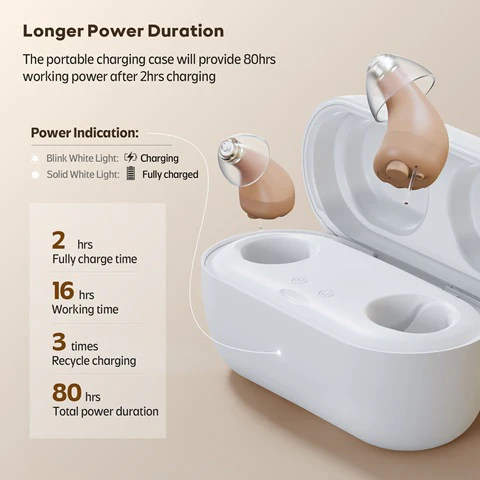
Powered by advanced lithium-ion and silver-zinc battery systems, rechargeable hearing aids marks a considerable advancement in hearing assistance technology. Now you need never go back to constantly swapping out small disposable batteries with rechargeable power solutions. Modern rechargeable hearing aids now deliver 24-30 hours of use from a single charge on a typical day, including streaming, and a full charge can take as little as 3-4 hours. Unlike traditional batteries that can cause degrading performance over time, most devices perform consistently through the charge cycle.
Rechargeable batteries for your hearing aids tend to last for some time, with most systems lasting about 4-5 years before needing to be replaced. They are good for a whopping 1,500 charge cycles, which is why they are reliable in the long run. Environmental impact is equally impressive, with single rechargeable battery replacing up to 300 disposable batteries over its life — you get what you pay for! The result is a sizable drop in battery waste, a step towards a more sustainable tomorrow and liberation from constantly buying and hoarding extra batteries.
The charging process has become straightforward and convenient since then, and some models now use contactless charging cases that also serve as protected storage. Many of these systems, additionally, feature indicators that signal proper charging connection and battery state so that users will never be taken surprise by power issues. The up-front investment in reliable, rechargeable technology quickly pays for itself in terms of zero battery costs and drastically reduced downtime and maintenance, while offering the peace of mind one expects of reliable, consistent performance.
Advanced Features for Audiophiles
Bluetooth Connectivity
Antiquated battery-powered hearing aids can easily become outdated, while modern rechargeable options seamlessly connect to smartphones and other devices thanks to cutting-edge Bluetooth technology. Audio can be streamed directly over their phones, tablets or smart TVs, with best-in-class fidelity and negligible latency. Connection is simple as most devices have dedicated apps for an automatic pairing process, providing immediate access to phone calls, music, podcasts, and other audio content. Dual streaming enables these hearing aids to connect to multiple devices at once, allowing wires to float effortlessly between audio inputs without doing the work of switching the connection.
Sound Quality Optimization
Today’s rechargeable hearing aids have advanced sound processing technology and sophistication on par with high-end audio equipment. High-tech directional microphones which automatically adjust to pick up sounds you want, while blocking out background noise. Through smartphone apps, users can adjust their listening experience, just as we might tap a button to tune our speakers for dinner at a restaurant or a night at a concert or an afternoon on a hillside. The devices use artificial intelligence to adapt to user preferences over time, automatically optimizing sound settings based on location and previous adjustments. Wind noise reduction makes listening outdoors crystal clear, while feedback cancellation algorithms eliminate whistling and echo effects. Tinnitus management features are available on many models, providing customizable sound therapy integrated into the day-to-day routine seamlessly.
Practical Guide to Rechargeable Hearing Aids
Choosing the Right Device
Choose a rechargeable hearing aid based on your hearing and lifestyle first. Active users might value battery longevity and durability, while the more tech-savvy might prefer greater integration with their smartphone. For people who regularly change sound environments, companies like vivtone make devices that include automatic detection of the environment. For outdoor adventurers, or people living in hot, humid climates, they become critically important. No two charging case designs are exactly alike — some provide portable power banks for top-ups on the go, while others include UV cleaning features.
Maintenance and Care
Form a nightly habit of putting your hearing aids in their charging case before bed, being sure the contacts in the aids align with the contacts inside the case and are clean. Make sure your charging ports are debris-free using a soft, dry brush each week. Keep your devices in a cool, dry place, away from direct sunlight and heat sources. While traveling, use carry-on luggage for your charging case, in addition to a backup battery bank in case you need a little extra juice. Reset Bluetooth connection or clean the charging contacts if you are facing connectivity issues. For best battery life, do not run the charge out completely before recharging. Regularly cleaning the PC every 4-6 months, professionally, keeps it running in top shape, ensuring a longer life for your device. If you experience decreased battery life or the batteries don’t seem to charge properly, contact your hearing care professional, as this may signal the need for battery service or replacement.

Transformative Benefits of Rechargeable Hearing Aids
Rechargeable hearing aids are a huge leap forward in assistive hearing technology, with convenience and performance that was never possible before. With their potent combination of long battery life, advanced sound processing and reliable connectivity features; these devices are an essential upgrade for those who already use hearing aids. All of which only makes them more appealing, especially considering the environmental benefits and cost savings from getting rid of disposable batteries. Rechargeable hearing aid systems are becoming more prevalent as technology improves to facilitate their development and cost-effective aspects further diminish. Whether sound quality, convenience, sustainability, or something else is your top priority, today’s rechargeable hearing aids deliver. Rechargeable hearing aids are truly an incredible advancement in hearing technology, and we encourage you to learn more about what they can do for you. Meet with a hearing care professional today to take the next step in your hearing journey! Investing in a rechargeable hearing aid is investing in your hearing health and a more sustainable future.