
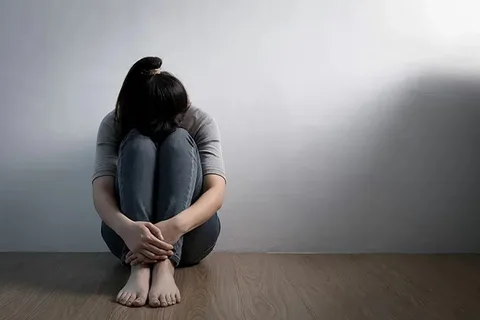
Staying cooped up in one place with no motivation to move or interact with others, no matter what they try, nothing seems to make them feel better. This is how depression can feel for many. They could pretend on the outside that everything is fine to evade unnecessary questions or remarks, but after some time, even the pretence stops. It all can become too tiring.
You could instead put your energy into helping yourself out. You looking up “coping skills for depression” is exactly the first step, where you focus on healing rather than appearing all good to others. It’s important to know that while these coping skills can help, they do not replace professional treatments.
Coping skills for depression are like support wheels on a bicycle. They make your journey more manageable alongside depression treatment by providing balance and stability during difficult times.
However, to use these strategies effectively, it’s essential to understand what the disorder is and how it affects an individual. The National Center for Biotechnology Information defines depression as a “persistent feeling of sadness and loss of interest”.
This sadness is not what one feels when things don’t go their way. The feeling can be severe enough to impair your ability to function, to do what you are supposed to do, your academics, job, caregiving, and all other things that are expected of you.
Another distinctive feature of depression is that this despair is often accompanied by an emptiness and a bad mood, as well as certain physical and cognitive changes that equally affect your ability to function.
Some symptoms of depression that can help recognize depression include:
- Trouble sleeping
- Loss of pleasure
- Feeling guilty or worthless
- Tiredness
- Difficult concentrating
- Changes in appetite or weight
- Slowed down thoughts, actions, or speech
- Thoughts of self-harm or suicide
- Low mood
If you have been feeling this way, you are not alone. As many as 17 million adults in the US suffer from depression, and these are the cases that have been reported. There are several others that are not reported. More than half of cases with depression do not receive any professional help, as per the National Center for Biotechnology Information.
Whether it’s due to the stigma surrounding mental health or not having proper support available, there could be several reasons for not seeking help. If you are someone who doesn’t have sufficient help available, try reaching out to an online psychiatrist or give the following coping skills for depression a chance until you can access professional help.
Healthy coping skills for depression
Depression can be an overwhelming experience. Even a little thing can need too much effort, but if you take one step at a time, gradually, they could help you regain your emotional balance and make daily life feel more manageable.
Connect with others
Depression can make you want to isolate yourself. It might seem like your emotions are
your weight to carry, and you do not want to burden others, but this thought is not helpful.
Your loved ones would like to be there for you the same way you would want to be there for them.
Sit with them and tell them what’s bothering you, what’s on your mind. It can help more than you realize. Being there with you alone can reduce your loneliness. Call them if you don’t feel like leaving your home. Try joining a support group or speaking with a therapist if you are unable to connect with those close to you. Just don’t keep your feelings bottled up.
Stay physically active
Exercise is a well-known mood booster. You can pick any exercise you enjoy and do it daily. You can ask your friends to join you or complete short challenges to make the activity more fun if you are not motivated enough to exercise.
This exercise is not about losing weight or building abs. Your movement is important here; hence, as long as that’s done, whatever you do should be fine. You could walk, stretch, do yoga, dance, or try other light exercises. If you are new to exercising or starting after a long gap, it is recommended to start with something easier to warm up and get more comfortable.
Eat healthy
Some people don’t have the appetite to eat when they are in a poor mood. While some others struggle to control their eating. Eating right and in healthy proportions is important. Make sure to include vitamins, minerals, complex carbohydrates, amino acids, fatty acids, and water in your meals. A study, in fact, found that lower water consumption was associated with a higher risk of anxiety and depression.
Prioritize sleep
Depression can ruin your sleeping habits. You might find yourself scrolling your phone late at night while sleeping during the day. Try sticking to your daily routine as much as you can. Avoid having caffeine or alcohol late in the evening, as they can harm your sleep quality. Instead, include some healthy practices that can help you sleep better, like avoiding screens an hour before going to bed, having a dark environment in the bedroom, using the bed for sleep and not work, so that your brain knows that place belongs to rest only.
Try journaling
Write down everything that you’re feeling that comes to your mind. It not only clears some of the clouds from your mind, but also helps you make sense of what they mean. Your journal is that one place where you can reveal anything with no judgment, and you can also come back and see what you once felt, to see how you have changed over time.
Try mindfulness
Practicing mindfulness and certain breathing exercises can calm that agitated nervous system and free your mind from negative thoughts. Exercises like the 4-7-8 breathing technique help you ground yourself when your mind is racing with unwanted thoughts. This is one of the coping skills for depression that you can practice from anywhere and at any time, and feel better almost immediately.
Healing is not the same for everyone. Some of these coping skills for depression could take more time for you to work than for others. Be kind to yourself while trying these. You want to help yourself, and learning how is in itself a big step towards your healing. These choices are small yet effective for your well-being.
When to seek professional help for depression?
Coping skills for depression can be effective, but as mentioned earlier, they do not replace your mental health professional. Consider reaching out to them if:
- Your symptoms last for more than two weeks
- Your symptoms are getting more intense
- You are struggling with your responsibilities
- You are unable to pay attention to necessities like eating or sleeping
- You start isolating yourself from others
- You feel the urge to harm yourself
- Your coping skills no longer seem to be enough to manage your emotions
Seeking help from a professional doesn’t make you weak. Conditions like depression were never meant to be suffered alone. A psychiatrist can help you understand why you feel certain emotions and how you can manage them better.
The path ahead with depression can seem hazy, but you don’t have to look too far. You can always start small and remain consistent. The heaviness you feel today doesn’t have to be your forever. Depression is manageable; you can find your better self again. You can start with these coping skills for expression, or reach out to a depression psychiatrist.
Trying the coping skills for depression and professional help together can also prove beneficial. There is no right way of healing, and certainly you don’t have to do it in silence. Do not carry all the weight on your shoulders when there is a vast community of professionals available to help you and walk alongside you.