
When my elderly father was diagnosed with kidney disease and needed regular dialysis treatments three times a week, I thought I had everything under control. I’d rearrange my work schedule, drive him to appointments, and somehow make it all work. What I didn’t realize was how quickly this well-intentioned plan would become overwhelming, and how discovering professional non-emergency medical transport services would completely transform our approach to managing his healthcare needs.
The Reality of Managing Medical Transportation Alone
Those first few weeks caring for Dad seemed manageable, though exhausting. He was still relatively mobile, needing help getting in and out of my car, but I convinced myself we could handle the routine. Three times a week, I’d leave work early, pick him up from his assisted living facility, spend four hours at the dialysis center, and then drive him back. By the time I returned to work or went home, my own life felt like it was spinning out of control.
The physical demands were significant, but the emotional weight was even heavier. I constantly worried about Dad’s comfort during the forty-minute drives, watched for signs of distress or confusion, and felt the pressure of being solely responsible for his safety during transport. Every trip became an exercise in anxiety management, wondering if this would be the day something went wrong while we were alone in the car.
My work performance began suffering as I missed meetings, left early multiple times per week, and struggled to maintain focus while worrying about Dad’s next appointment. Colleagues were understanding, but I could see the strain my absence was putting on projects and deadlines. The financial impact was also becoming apparent, as my reduced work hours affected my income while Dad’s medical expenses continued mounting.
The breaking point came on a particularly difficult Wednesday morning. Dad had been feeling weak and disoriented, and halfway to the dialysis center, he experienced chest pain and became increasingly confused. Finding myself pulled over on the highway, calling 911 while trying to keep my frightened father calm, I realized that our amateur transportation arrangement was potentially dangerous for both of us.
Discovering Professional Medical Transportation Services
The paramedics who responded to our emergency were professional and reassuring, but it was a comment from one of them that changed everything. As they prepared to transport Dad to the emergency room, she mentioned that many dialysis patients use non-emergency medical transport services specifically because they’re staffed with trained medical personnel who understand potential complications.
“Someone with complex medical conditions really benefits from having EMTs or paramedics present during transport,” she explained. “These services aren’t just rides to appointments – they’re medical services that can monitor patients and respond if problems arise.”
That evening, as we sat in the emergency room waiting for test results, I found myself researching medical transport services on my phone. What I discovered completely changed my understanding of what appropriate medical transportation should look like for someone with Dad’s conditions.
Professional medical transport services, I learned, employ emergency medical technicians and paramedics who are trained to monitor patients with chronic conditions during transport. They carry equipment to check vital signs, provide oxygen if needed, and most importantly, they know how to recognize when a patient’s condition is deteriorating and requires immediate medical attention.
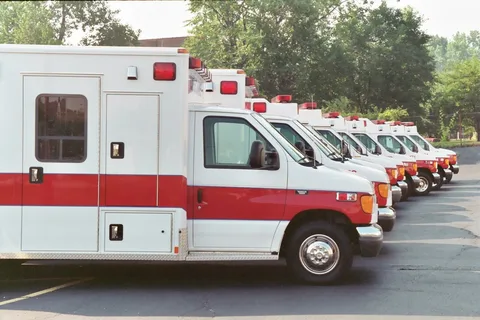
The vehicles used for these services are fully equipped ambulances with cardiac monitors, oxygen systems, medication storage, and direct communication capabilities with receiving medical facilities. This level of medical support during transport wasn’t luxury or convenience – it was appropriate medical care for patients with complex conditions who could experience complications during travel.
Overcoming Initial Hesitations
Despite the logical arguments for professional medical transport, I struggled with feelings of guilt and inadequacy. Like many adult children caring for aging parents, I felt that arranging transportation should be something I could handle myself. I worried about the cost, wondered if Dad would be comfortable with strangers providing his care, and questioned whether I was somehow failing in my responsibilities as his daughter.
Research helped me understand that these feelings, while natural, were misguided. Professional medical transport isn’t about replacing family involvement – it’s about ensuring that patients receive appropriate medical supervision during a vulnerable time. Family members can’t provide cardiac monitoring, oxygen therapy, or emergency medical interventions if complications arise during transport.
I also discovered that many insurance plans, including Medicare, cover medically necessary ambulance transport for patients with conditions like kidney disease, heart failure, or other chronic illnesses where complications could occur during travel. This coverage recognition by insurance companies validated that professional medical transport isn’t a luxury service – it’s an essential component of comprehensive medical care for certain patient populations.
The financial analysis actually supported using professional transport services. When I calculated the time I was losing from work, the wear and tear on my personal vehicle, and the potential costs of medical emergencies during transport, professional services seemed not just safer but more economical in the long run.
The First Experience with Professional Medical Transport
Scheduling our first professional medical transport appointment was surprisingly straightforward. The intake coordinator asked detailed questions about Dad’s medical conditions, medications, mobility limitations, and specific needs during wheelchair transport. This thorough assessment impressed me because it demonstrated that they understood the complexity of transporting patients with serious medical conditions.
The coordinator explained their protocols for communicating with both the assisted living facility and the dialysis center, ensuring that all parties involved in Dad’s care would be informed about transport arrangements and any changes in his condition that occurred during transit. This level of coordination was something I hadn’t even considered but realized was crucial for comprehensive care management.
On the morning of our first scheduled transport, the medical team arrived precisely on time, dressed in clean uniforms and carrying medical equipment and documentation. They introduced themselves professionally, explained exactly what would happen during transport, and took time to answer Dad’s questions with patience and respect.
The difference from our previous car trips was immediately apparent. Instead of struggling to help Dad climb into and out of my sedan, the medical team used a gurney system that allowed him to transfer once from his wheelchair and then remain comfortable and secure for the entire journey. The medical professionals monitored his vital signs throughout the trip and documented everything for communication with the receiving facility.
The Impact of Professional Medical Supervision
Over the following weeks, I began to appreciate the numerous advantages of having trained medical personnel present during Dad’s transport. The EMTs understood proper positioning techniques that kept him comfortable and reduced strain on his joints. They knew which vital signs to monitor based on his specific medical conditions and could identify subtle changes that might indicate developing problems.
One particularly memorable incident occurred about a month after we began using professional transport services. The EMT noticed that Dad seemed more confused than usual and that his speech was slightly slurred. Instead of dismissing these symptoms as typical post-dialysis effects, she immediately checked his blood sugar and discovered he was experiencing hypoglycemia. She provided appropriate treatment during transport and alerted both the receiving facility and his primary care physician about the incident.
This episode made me realize how many warning signs I might have missed or dismissed as normal during our previous car trips. Having medical professionals present during transport meant that subtle changes were recognized and addressed promptly, potentially preventing more serious complications that could have required emergency intervention.
The medical transport team also provided valuable patient education during trips. They explained what Dad’s vital signs meant, answered questions about his condition and treatments, and offered encouragement about his progress. This ongoing education became an important part of his care experience, helping him feel more involved in managing his health rather than being a passive recipient of treatment.
Beyond Transportation: Comprehensive Healthcare Support
As we continued using professional medical transport services, I realized we were receiving much more than simple transportation between two locations. The service had become an integral part of Dad’s healthcare team, providing continuity of care and communication that enhanced his overall medical management.
The medical professionals maintained detailed records of Dad’s condition during each transport, noting changes in his energy level, mobility, comfort, and any symptoms he reported. This information was shared with his healthcare providers and became part of his medical record, providing valuable data about his response to treatments and any developing health concerns.
The transport team also served as patient advocates during medical appointments. Because they had observed changes in his condition over time and understood his baseline status, they could provide additional information to healthcare providers and help ensure that important symptoms or concerns weren’t overlooked during brief medical visits.
The reliability and consistency of professional transport services significantly reduced Dad’s anxiety about getting to his treatments. Knowing that qualified medical personnel would be monitoring him during every journey provided peace of mind and allowed him to focus on his health rather than worrying about transportation logistics or potential complications during travel.
Insurance Coverage and Financial Considerations
One of my initial concerns about professional medical transport had been cost, but I discovered that Medicare covered Dad’s transports because they were medically necessary for a patient with his complex conditions. The transport company handled all insurance paperwork and prior authorizations, making the administrative process much simpler than I had anticipated.
Beyond insurance coverage, professional medical transport actually saved money in several ways. I could return to my normal work schedule, eliminating the income loss from frequent early departures and missed meetings. We weren’t putting excessive mileage on my personal vehicle with multiple weekly long-distance trips. Most importantly, professional monitoring during transport helped prevent medical emergencies that could result in expensive emergency room visits or hospitalizations.
The transport service provided clear cost information upfront, explaining exactly what services were included and providing detailed documentation for insurance reimbursement. This transparency helped us budget appropriately and avoid unexpected expenses related to Dad’s medical care.
Many transport services also offer payment plans or sliding fee scales for patients without full insurance coverage, recognizing that access to appropriate medical transportation shouldn’t be limited by financial constraints. Some community organizations and healthcare systems also provide assistance programs for patients who need help covering transportation costs.
Quality of Life Improvements
The most significant benefit of using professional medical transport was the dramatic improvement in quality of life for both Dad and our entire family. Dad no longer endured the physical discomfort of climbing in and out of a regular car multiple times per week, and he could rest comfortably during journeys to and from treatments.
Professional transport meant that Dad’s dialysis appointments were never missed or delayed due to transportation issues, which improved his overall health outcomes and reduced complications related to his kidney disease. The medical monitoring during transport also meant that health changes were identified and addressed more quickly than they might have been otherwise.
For me, professional transport services meant I could return to a productive work schedule while remaining actively involved in Dad’s healthcare decisions and overall care coordination. Instead of spending twelve hours per week driving to and from medical appointments, I could focus on other aspects of his care and spend quality time with him during visits.
The peace of mind that came from knowing Dad received appropriate medical supervision during transport was invaluable. I no longer worried constantly about what might happen during transport, and I felt confident that if medical issues did arise, they would be handled by trained professionals with proper equipment and protocols.
For anyone facing the challenge of managing medical transportation for a family member with chronic conditions, I cannot recommend strongly enough that you explore professional medical transport options in your area. The combination of medical expertise, professional equipment, insurance coverage, and family peace of mind makes these services an invaluable resource that can transform the healthcare experience for both patients and their loved ones.